
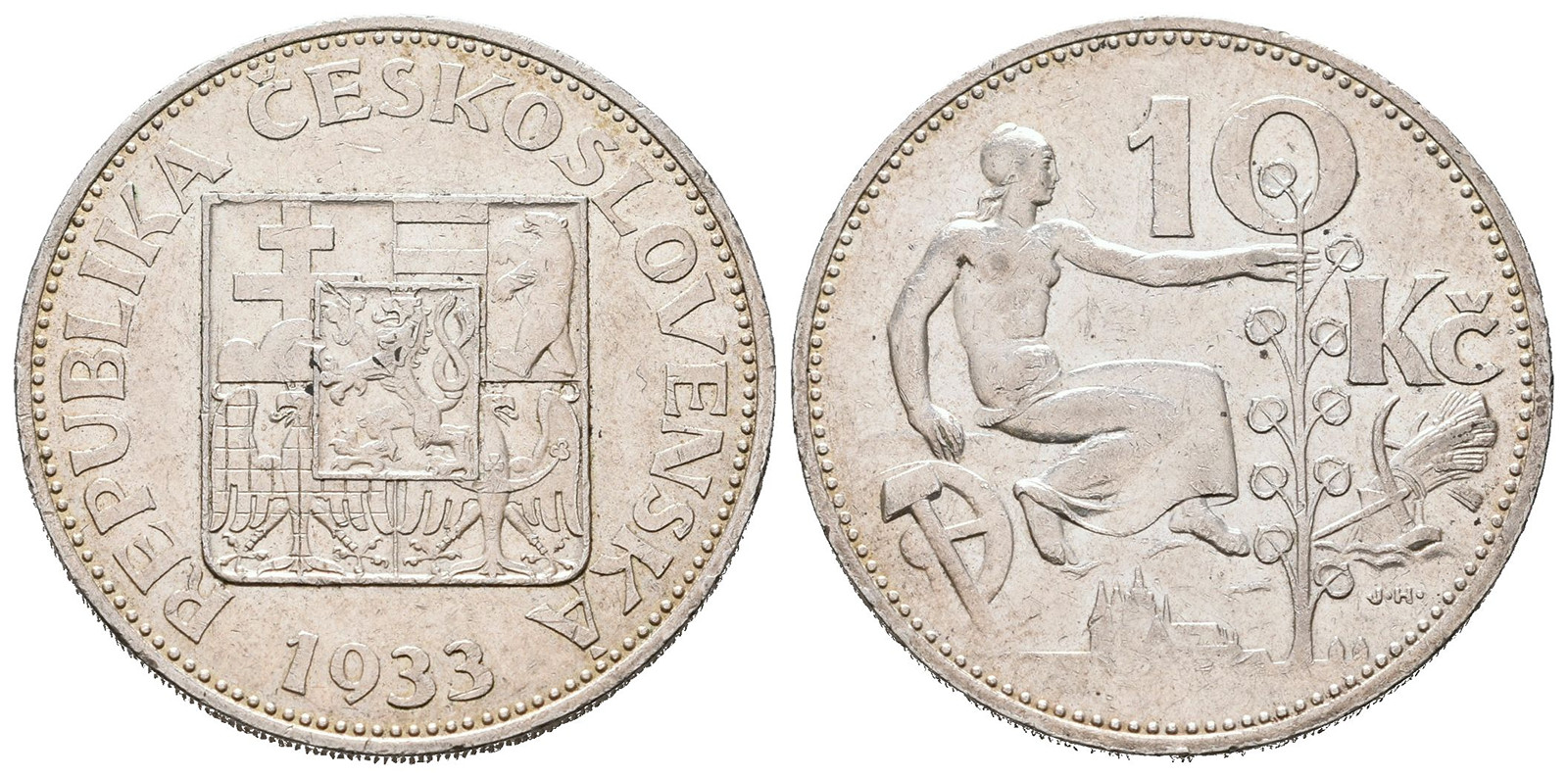
Why the 1933 year is so rare
At the start of 1933 the Kremnica mint was completing the final batch of ten-koruna pieces, intended to reach the planned overall ceiling of 25 million. But part of the strike ended up among the so-called cesálie — reject coins — and further stocks were melted down later.
| Period | What happened |
|---|---|
| Late 1932 | The mint already had ten-koruna pieces struck from the same dies, but without clearance for dispatch. |
| 2–7 January 1933 | Final test strike; part of the surplus ends up among the faulty pieces. |
| Summer 1933 | The Ministry of Finance lowers the limit on silver ten-koruna pieces and cancels further minting. |
| 1934–1939 | Unneeded silver stocks are melted down again for other denominations. |
Specifications and artistic detail
| Specification | Value |
|---|---|
| Metal / fineness | Ag 700/1000 + Cu 30 % |
| Diameter | 30 mm |
| Weight | 10 g |
| Edge | Fine reeding |
| Designer | Jaroslav Horejc |
| Rarity | RR |
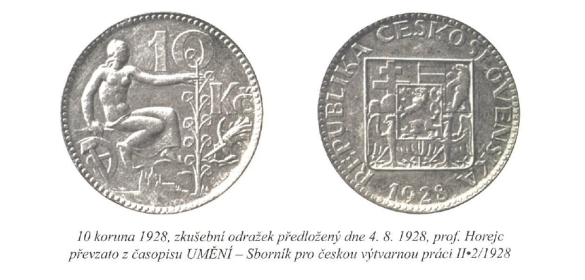
How many pieces probably survive
- official mintage plan for 1933: 915,000 pieces
- documented pieces from the turn of 1932/1933: approximately 208,000 pieces in the production flow
- final surplus from January 1933: around 5,000 pieces among the cesálie reject coins
- collectors' current estimate: 3,000–5,000 pieces in any grade
The most valuable are of course top pieces in exceptional grade, where it is no longer a question of a rare year alone but of genuinely competitive collector material.
Original vs. forgery: a quick check
| Criterion | What to watch for |
|---|---|
| Number of beads | 96 on the obverse, 101 on the reverse; copies often differ. |
| Designer's mark | The "J H" mark at the foot of the sheaf is shallow but clean and precise. |
| Material | Ag 700/1000 alloy, no reaction to a magnet. |
| Edge | Fine, even reeding without a modern "soft" appearance. |
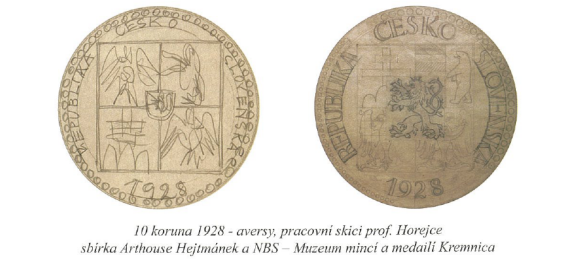
Investment potential
- the small number of surviving pieces makes the 1933 year a true icon among the silver coins of the First Republic
- the compelling story of how the issue arose and ended gives the coin exceptional appeal for collectors
- the value is not driven mainly by silver content but almost entirely by numismatic rarity
This is exactly why the 10 koruna 1933 is regarded as a piece that works well both in a strong collection and in an investment-focused portfolio of Czechoslovak coins.
Do you suspect you really own a piece like this?
With a coin like this, the details decide. Send us good photos and we will quickly assess whether further expert examination or an auction offer makes sense.
Next step
Need to have a 10 koruna 1933 appraised or sold?
Send us a photo of the obverse and reverse. We are glad to help with identification, appraisal, and placing it in an auction.